Why 'Secret Recipe' Hooks Are A Red Flag
A simple kitchen mixture, framed as a discovery that people have supposedly been kept from knowing about, is one of the most recognizable patterns in supplement sales videos.
Here's why this storytelling device exists, and what it should tell you about the video using it.
The pattern, described plainly
A sales video builds interest around a simple, everyday combination — often something like honey, cinnamon, or another common pantry ingredient — framed as a hidden discovery. The video spends significant time on this story before ever introducing the actual product for sale.

Why this technique is used
Curiosity is a powerful engagement tool. A ‘secret’ framing keeps viewers watching longer than a straightforward product description would, and it creates the feeling of being let in on privileged information — even though the ingredients mentioned are usually common and unremarkable on their own.
Why the story usually doesn't hold up
There is nothing wrong with honey or cinnamon as parts of a healthy diet. The issue is when a simple mixture is presented as a treatment for a serious condition — memory loss, Alzheimer's, or dementia, for example. No credible evidence supports a kitchen recipe reversing a diagnosed neurological condition, and framing it that way risks delaying someone from seeking actual medical care.
What a legitimate health claim looks like instead
A genuine, evidence-backed claim names its actual ingredients and mechanism plainly, points to real research, and doesn't need a curiosity-building story to be convincing on its own merits.
How this applies here
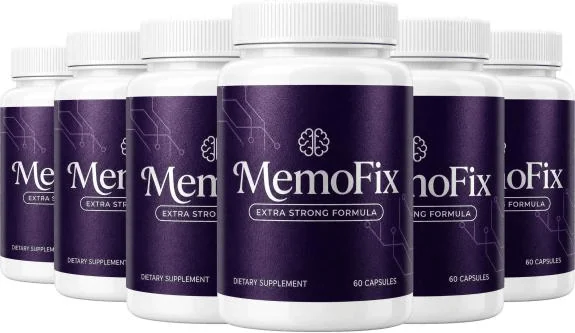
Independent reporting has documented this exact pattern in MemoFix video advertising, built around a ‘morning memory elixir’ involving honey, cinnamon, and an unnamed ingredient. See our full honest verdict for the complete picture.